

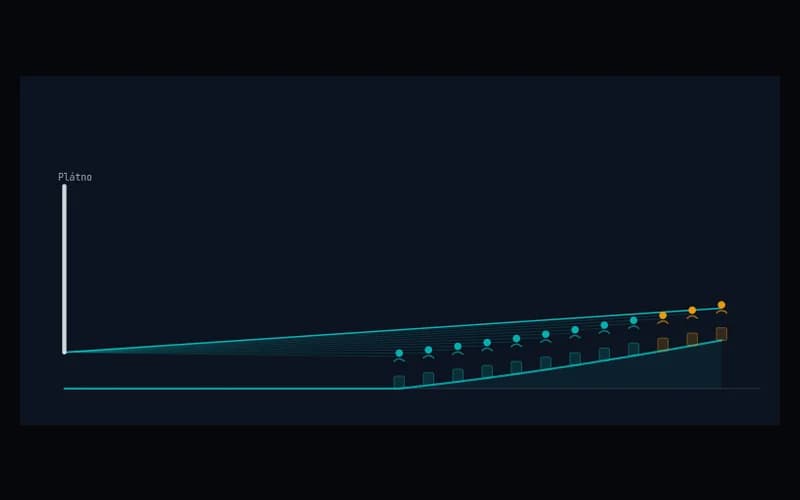
Why the seating rake matters
A good view of the screen is not just about how the seats are arranged. The rake (slope) of the seating matters too: it ensures every viewer sees the bottom edge of the screen above the heads of the row in front.
This visibility is described by the C-value parameter. It states by how much the sightline clears the head of the person sitting in front of you. The higher the C-value, the better the view of the screen and the viewing comfort.
How the calculator helps
Our calculator computes the optimal seating rake from the auditorium dimensions, the screen size and position, the row spacing and the required C-value.
The result is a row-by-row overview that helps verify whether every viewer has an adequate view of the screen. That lets you adjust the auditorium parameters before construction and avoid visibility problems.